
“`html
Garage Door Repair Tips for Older Homes
Maintaining a garage door in an older home can often pose unique challenges. The wear and tear over the years, combined with outdated technology and materials, can lead to various issues that might require repair or replacement. This blog provides essential tips for repairing garage doors in older homes, helping homeowners preserve functionality and aesthetics.
Common Issues with Older Garage Doors
Before addressing specific repair tips, it’s essential to recognize some common problems that older garage doors may face:
- Rust and Corrosion: Metal components can develop rust, compromising structural integrity.
- Worn-Out Springs: Springs that support the door’s weight can weaken or break over time.
- Damaged Panels: Wood or metal panels can sustain dents, cracks, or warping, affecting performance.
- Misaligned Tracks: Tracks may become misaligned, preventing the door from opening or closing properly.
- Old Hardware: Hinges, rollers, and other hardware may become worn or seized.
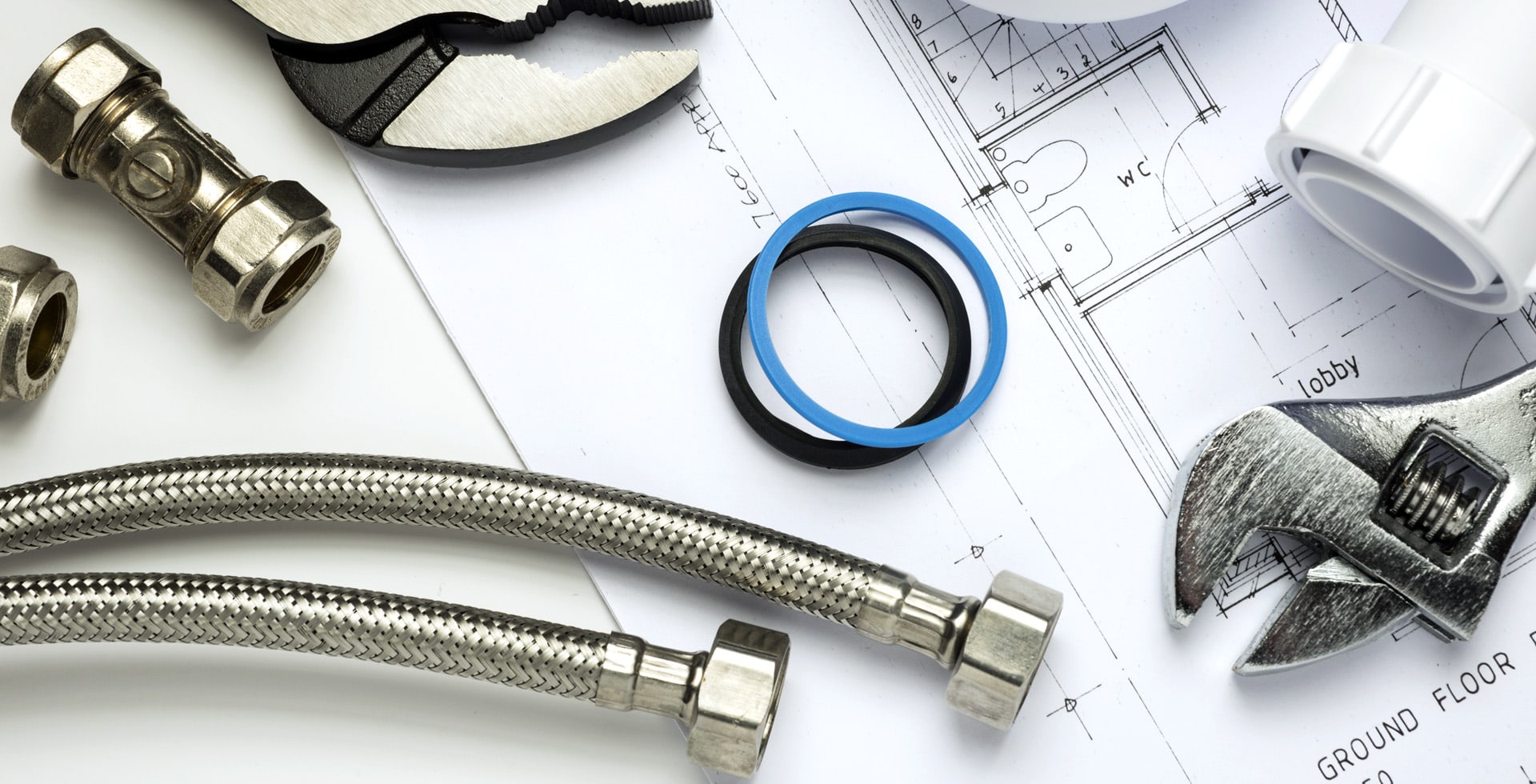
Basic Tools and Materials Needed
Before beginning repairs, gather the necessary tools and materials:
- Wrenches and sockets
- Screwdrivers (flathead and Phillips)
- Pry bar
- Hammer
- Ladder
- Replacement parts (springs, tracks, panels as needed)
- Rust-inhibiting paint or lubricant
Steps for Repairing Your Garage Door
1. Inspect the Door Thoroughly
Start with a comprehensive inspection of the garage door system. Look for signs of damage, rust, or wear. Check each component, including:
- Tracks: Ensure they are clear of debris and properly aligned.
- Springs: Verify their condition and tension.
- Pulleys and Cables: Look for fraying or damage.
- Panels: Inspect for cracks, warping, or peeling paint.
2. Fixing Rust and Corrosion
If you notice rust on metal components, follow these steps:
- Use a wire brush to remove rust buildup.
- Apply rust-inhibiting primer and paint to protect against future corrosion.
- Consider replacing heavily rusted parts if they are beyond repair.
3. Tension Adjustment of Springs
Garage door springs are under high tension, which can be dangerous. If you need to adjust or replace them, follow these guidelines:
- Refer to the manufacturer’s instructions for your specific door type.
- Use a winding bar to safely adjust tension. Consider hiring a professional if you are uncomfortable with this task.
4. Realigning and Lubricating Tracks
If the door is not moving smoothly, the tracks may need realignment:
- Loosen track mounting brackets slightly, then gently tap the track into position.
- Once aligned, tighten the brackets securely.
- Apply lubricant to the tracks and rollers to ensure smooth operation.
5. Repairing or Replacing Panels
If you notice significant damage to wood or metal panels:
- Minor dents may be repaired using a hammer and dolly.
- For deeper damage, consider replacing the entire panel for aesthetic and functional reasons.
- Ensure insulated panels are sealed properly to maintain energy efficiency.
6. Updating Hardware
Replacing old hardware can greatly enhance performance:
- Replace worn hinges and rollers with new ones that fit your door.
- Ensure all screws are tightened and secure to prevent future issues.
- Consider upgrading to ball-bearing rollers for smoother operation.
Regular Maintenance Tips
Once repairs are made, ongoing maintenance is crucial to ensure the longevity of your garage door:
- Perform monthly visual inspections to check for any new signs of wear.
- Lubricate moving parts every six months to reduce friction.
- Test the door’s balance by disengaging the opener and manually raising it; it should stay in place.
- Clear debris from the tracks regularly to prevent malfunctions.
When to Call a Professional
While many garage door repairs can be managed by homeowners, certain situations may necessitate professional help:
- If you experience a broken spring, as they can be dangerous to replace.
- When the garage door appears misaligned or operates unevenly despite adjustments.
- For complex electrical issues related to garage door openers.
Conclusion
Maintaining and repairing a garage door in an older home requires a combination of knowledge, skill, and the right tools. By understanding common issues and following step-by-step repair tips, homeowners can effectively keep their garage doors functional and attractive. Regular maintenance practices will also contribute to the longevity and reliability of this essential fixture. For those who feel overwhelmed by any repair, enlisting a professional is a wise choice that ensures safety and efficacious results.
“`